Post-Marriage Depression
Marriage marks a significant milestone in life and is often anticipated with excitement and dreams of happiness. However, for many individuals, the period following the wedding can bring unexpected emotional downturns, sometimes developing into post-marriage depression. It’s important to recognise, and have post-marriage depression counselling, that this experience is valid and more common than we think.
Story of Smita’s Journey - Finding Balance in a New Marriage
Smita was the embodiment of youthful ambition and creativity. Having grown up in a modest town, she moved to Mumbai with a sparkle in her eyes and big dreams carried in her heart. The city’s energy fueled her ambitions as she built a career she truly loved. Smita wasn’t just a dedicated professional; she devoted equal passion to her hobbies—handcrafting exquisite paper art, splashing her imagination across canvases, and losing herself in graceful moves at her dance class. For Smita, life was a colorful canvas, and she loved having the freedom to paint it her way.
But when the topic of marriage came up, Smita hesitated. She cherished her independence deeply and feared it might slip away after tying the knot. The thought of balancing a career, personal dreams, a new family, and sharing space with in-laws seemed overwhelming. She worried if her joyous rhythm would survive the inevitable compromises.
Like for many young women, family and relatives played a significant role in her life decisions. They reassured her, painting pictures of post-marriage harmony—promising her that with the right partner, she could balance everything and keep her individuality alive. Gradually, Smita was convinced. She agreed to marry an understanding young man from Mumbai, whose kindness and openness offered her hope.
The wedding was a celebration, filled with laughter, blessings, and dreams for the new life ahead. However, reality unfolded differently than Smita imagined.
In the weeks after marriage, a subtle emptiness began settling in. Though her husband was considerate and her in-laws cordial, Smita couldn’t shake off a shadow of loneliness that had begun to cloud her days. Despite being surrounded by new family, she felt alone—even in her own home.
She noticed changes she couldn’t explain. Sometimes, she tossed and turned through sleepless nights; at other times, she felt drained of all energy, her body aching for no apparent reason. Out of nowhere, waves of sadness would wash over her, followed by spells of irritability or tears. Everyday joys—her crafts, painting, dance—felt distant, almost unreachable. Smita felt lost, unsure why she, the girl who could handle anything, was now struggling so much.
One evening, while scrolling the internet in search of answers, she stuck upon a ‘post’ written by another young woman in a similar phase of life. The story described almost identical emotions: unexplained exhaustion, loneliness, mood swings, and a sense of isolation after marriage. For the first time, Smita realised she might not be alone in feeling this way; perhaps, these were the signs of post-marriage depression—a term she hadn’t heard before, but which suddenly made sense to her.
Inspired by the story and determined to reclaim her happiness, Smita began searching for professional help. She soon found Dr Mamta Wagle Kakade, a renowned psychologist at MyMindCare, whose expertise in women’s mental health and marital adjustment gave Smita hope.
In her second or fourth online session, Smita spoke honestly about her fears, her exhaustion, and her longing for her old self. Dr Mamta Wagle Kakade listened with compassion and reassured her that her feelings were real and valid—not a weakness, but a natural response to the tremendous changes she was experiencing.
Recognising the importance of support in healing, Dr Mamta Wagle Kakade suggested involving Smita’s husband in the next session. In a gentle, supportive environment, Dr Mamta Wagle Kakade helped Smita’s husband understand the emotional and physical adjustments his wife was going through. It was an eye-opener for him—he hadn’t realised how the transition from her independent life to married life in a new home could impact Smita so deeply.
With open conversations and empathetic listening—guided by Dr Mamta Wagle Kakade—Smita and her husband began to bridge their understanding. He learned to offer more emotional support and flexibility, while Smita learned to express her needs without guilt. Slowly, Smita regained her confidence, rekindled her hobbies, and found joy in her new routine, while also preserving her individuality.
Their relationship evolved into a partnership built on empathy, patience, and genuine care. What began as a difficult journey became a story of healing, growth, and true companionship—thanks to professional guidance and their willingness to learn and adapt together.
If you, like Smita, are struggling to adjust emotionally after marriage, remember: it’s okay to ask for help. Reaching out to counselors like Dr Mamta Wagle Kakade can make all the difference, transforming loneliness and confusion into understanding and happiness. Your well-being is important—not just for you, but for your partnership too.
Causes of Post-Marriage Depression
Major Life Transition
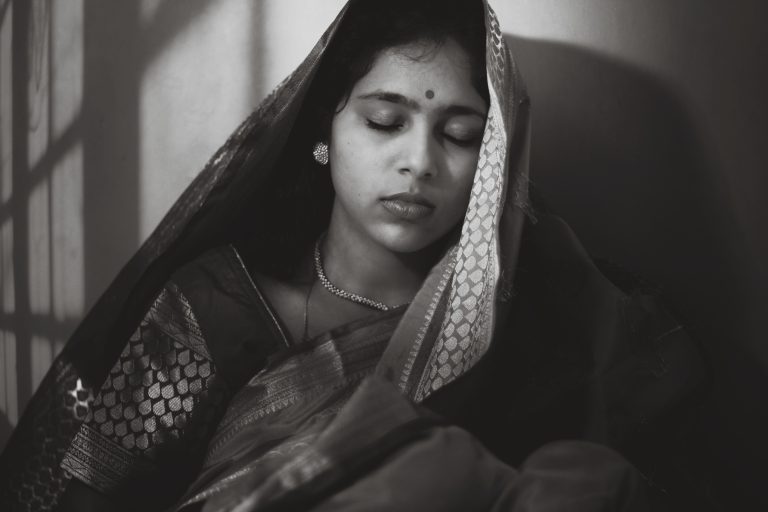
Marriage is a huge change, even if you are marrying someone you love deeply. Moving from being single to sharing your life with another person means adjusting your habits, routines, and often even your living environment. Such life-altering transitions can lead to a sense of instability or identity loss, which can trigger depressive symptoms. The brain and emotions need time to catch up with these changes.
Unrealistic Expectations
Movies, social media, and cultural stories often paint married life as an endless honeymoon. When reality doesn’t match these expectations, disappointment and frustration can set in. Small disagreements or mundane routines may feel more significant because they clash with what you believed marriage “should” be.
Loss of Independence and Personal Space
Marriage often requires compromise, from daily routines to broader life decisions. Adjusting to a new way of living — sharing space, responsibilities, finances, or even hobbies — can feel overwhelming. Some individuals may mourn the loss of personal freedom or spontaneity, which can lead to feelings of depression.
Early Relationship Challenges
No relationship is without its challenges, but couples may be taken aback by how quickly disagreements or misunderstandings can arise after marriage. Issues around intimacy, money, in-laws, or chores become prominent topics. If partners struggle to resolve these early conflicts, it can create feelings of helplessness, sadness, or regret.
Family, friends, and even community members can put a lot of pressure on newlyweds—whether it’s about starting a family, buying a house, or upholding family traditions. In India, such pressures can be particularly intense, as extended families often play a large role in newlyweds’ lives. Trying to live up to everyone’s expectations can cause stress, anxiety, and sadness

External Pressures and Societal Expectations
Family, friends, and even community members can put a lot of pressure on newlyweds—whether it’s about starting a family, buying a house, or upholding family traditions. In India, such pressures can be particularly intense, as extended families often play a large role in newlyweds’ lives. Trying to live up to everyone’s expectations can cause stress, anxiety, and sadness.
Change in Social Support Systems
After marriage, social dynamics often shift. You might spend less time with friends and family as you focus on your new life, leading to feelings of isolation. Sometimes, moving to a new city, or even just a new home, can disrupt your support network, making you feel even more alone.
Unresolved Past Issues or Trauma
Sometimes, marriage brings unresolved personal issues to the forefront. Old wounds, insecurities, or trauma may become more apparent in the context of a close relationship, making the emotional adjustment to marriage more challenging.
How to Cope with Post-Marriage Depression
Overcoming post-marriage depression requires compassion, patience, and effective coping strategies. Here’s how you can navigate these difficult emotions:
Open and Honest Communication
Share your feelings with your partner. It’s not always easy, but talking openly about your emotions—without placing blame—can foster understanding and support. You may be surprised to find your partner has similar feelings but is also hesitant to share.
Seek Social and Professional Support
Lean on trusted friends and family who can offer perspective and encouragement. If you feel overwhelmed, reach out to a professional—like a psychologist or counsellor. Therapy provides a safe space to process your feelings and receive expert guidance.
Prioritize Self-Care
Maintain routines that support your mental and physical well-being. Regular exercise, a nutritious diet, and sufficient sleep can improve mood and resilience. Make time for hobbies or activities that bring you happiness and relaxation.
Set Realistic Expectations
Acknowledge that every marriage—like every person—is unique and imperfect. Life won’t always mirror television shows or Instagram posts. Allow yourself and your partner grace as you learn and grow together.
Establish Boundaries and Personal Space
It’s healthy to maintain some independence after marriage. Make time for yourself and encourage your partner do the same. Respectfully communicating your need for space can help prevent feelings of suffocation and promote individual fulfilment.
Address and Resolve Conflicts Constructively
Instead of avoiding disagreements, approach them as opportunities to understand each other better. Practice active listening, avoid blaming language, and work toward solutions together. If conflicts remain unresolved, couples therapy can be invaluable.
Reconnect with Your Support Network
Maintain connections with friends, family, and your broader community. Social engagement can counteract loneliness and provide a sense of belonging outside your marriage.
Monitor and Challenge Negative Thoughts
Be mindful of inner dialogue that’s overly critical or pessimistic. Practice self-compassion and, when negative thoughts arise, gently challenge them. Remind yourself that adjusting to marriage takes time, and it’s okay to struggle.

Post marriage depression counselling
Post-marriage depression does not reflect failure—either of you as individuals or as a couple. It is a response to profound change and often, to misplaced expectations. With self-awareness, supportive relationships, and professional guidance when needed, it is possible to overcome this phase and build a loving, resilient partnership.
If you are experiencing ongoing sadness or difficulty coping, consider reaching out to a mental health professional for support post-marriage depression counselling.
Your emotional well-being is just as important as your relationship. Seeking help is a sign of strength, and you don’t have to walk this journey alone.